
Hardwood Flooring Denver offers classic aesthetic and durability with prices varying widely based on wood type (e.g., oak vs. walnut), finish, installation complexity, and market trends. Researching local quotes, modern trends, and discounts is essential for securing the best deals. Material variations, warranties, and installation methods (traditional, glue-down) impact costs. Understanding Denver's climate challenges informs optimal installation approaches. The market balances cost, quality, and sustainability, with a growing demand for eco-friendly options and carpet-to-hardwood replacements. Budgeting is crucial, considering exotic wood species (e.g., $7-$12/sq ft vs. budget options at ~$4), plus installation expenses (10-20% of total). Regular maintenance and area rugs enhance floor protection and visual appeal without significantly increasing costs.
Hardwood flooring is a popular choice for homeowners and businesses alike, adding warmth and elegance to any space. In Denver, the cost of hardwood flooring per square foot can vary widely based on factors like species, finish, installation method, and market fluctuations. Understanding these variables is crucial for making an informed decision. This article provides a comprehensive guide to help you navigate the costs associated with hardwood flooring in Denver, offering insights into what to expect and ensuring you receive genuine value for your investment.
- Understanding Hardwood Flooring Costs in Denver
- Factors Influencing Price Per Square Foot
- Material and Species Variations: Denver Options
- Installation Methods and Their Cost Implications
- Local Market Trends for Hardwood Flooring Denver
- Budgeting and Cost-Effective Choices
Understanding Hardwood Flooring Costs in Denver
Hardwood flooring is a popular choice among Denver residents for its timeless elegance and durability, but understanding the cost can be intricate. The price of hardwood floors in Denver varies based on several factors, including the type of wood, finish, installation complexity, and local market dynamics. On average, homeowners can expect to pay between $5 and $15 per square foot for materials and labor combined. This range underscores the versatility of hardwood flooring options available in the Denver market.
The pros of hardwood floors in Denver are numerous; they offer a classic aesthetic that enhances home value and provides superior durability. However, there are also cons to consider. Higher-end hardwoods like oak or walnut can be significantly more expensive, and specialized finishes may add to the overall cost. For instance, a recent market survey revealed that solid oak flooring costs approximately $7 per square foot, while engineered hardwood, a more budget-friendly option, ranges from $4 to $6 per square foot. Furthermore, complex installation processes due to uneven floors or unique designs can inflate expenses.
When exploring local hardwood flooring stores in Denver, it’s advisable to research and compare prices. Trends in stainless hardwood flooring, for example, might offer modern alternatives at varying price points. Some reputable dealers provide transparent pricing structures, while others offer tailored quotes based on individual projects. Homeowners should also inquire about any available discounts or promotions. By weighing these factors, Denver residents can make informed decisions, ensuring they secure the best deal for their hardwood flooring investments.
Factors Influencing Price Per Square Foot
The cost of hardwood flooring in Denver can vary significantly depending on several factors. Understanding these variables is crucial when planning a hardwood flooring project in the Denver area. One square foot of hardwood flooring can range from $3 to $10 or more, with an average cost per square foot sitting around $6-$8. This price discrepancy is largely determined by the type of wood, finish, and installation complexity.
Local hardwood flooring stores in Denver often carry a wide array of options, from affordable exotic woods to premium domestic varieties. Hardwoods like oak and maple are generally more common and cost-effective, while species such as walnut, cherry, or exotics like Brazilian cherry or mahogany can significantly drive up prices. For instance, domestic oak flooring might be around $5-$7 per square foot, whereas imported mahogany could easily surpass $10.
Additionally, the level of finish and installation complexity play a substantial role in pricing. High-gloss urethane finishes or specialized coatings often add to the cost, as do intricate installation patterns or custom designs. A simple, straightforward installation in a standard layout will generally be less expensive compared to a complex design or installation in awkward spaces, like tight corners or staircases. Engaging a reputable Flooring Contractor Denver for installation can ensure precision and quality but may also contribute to higher overall costs.
When planning your hardwood flooring project in Denver, it’s advisable to obtain quotes from several local stores and contractors to get a clear understanding of the price range. This approach allows you to make informed decisions based on your budget and desired aesthetic, ensuring you find the perfect hardwood flooring solution for your space without overspending.
Material and Species Variations: Denver Options
When considering hardwood flooring options in Denver, understanding material and species variations is key to making an informed decision. The market offers a vast array of choices, from exotic tropical woods to local, sustainable varieties. For instance, Red Oak, a popular choice among Denver residents, ranges from $5 to $10 per square foot, while more unique species like Walnut can exceed $20 per square foot due to its rarity and desirability. This price variance is largely influenced by the wood’s origin, growth patterns, and overall rarity.
Carpet tiles in Denver also present a durable hardwood flooring alternative, offering both aesthetic versatility and cost-effectiveness. These tiles, available in numerous styles and materials, can mimic the look of natural hardwood while providing additional comfort and warmth. The price for carpet tiles typically falls between $3 to $8 per square foot, making it an attractive option for those seeking budget-friendly yet high-quality flooring solutions. It’s worth noting that durable hardwood flooring options in Denver often come with extensive warranties, ensuring longevity and peace of mind.
Moreover, understanding the warranty information associated with various hardwood floorings is crucial. Many manufacturers offer 25-year or even lifetime warranties on their products, guaranteeing against defects and wear. This assurance highlights the quality and durability of premium hardwood flooring options available in Denver. By considering both material choices and warranty details, homeowners can make a well-informed decision that aligns with their aesthetic preferences and budget while ensuring long-lasting satisfaction from their new floors.
Installation Methods and Their Cost Implications

When considering hardwood flooring costs per square foot in Denver, understanding installation methods is crucial for informed decision-making. In Denver, where harsh winters and varying climates pose unique challenges, choosing the right installation approach can significantly impact both durability and budget. Traditional nailing or stapling methods are common but require skilled labor, especially for complex floor layouts. This method typically ranges from $7 to $12 per square foot, depending on the type of nailer used and the price of materials. For example, a professional installer might charge around $400 for a 1,000-square-foot job, including labor and materials.
A more modern approach involves using a floor glue, which offers several advantages, particularly in Refinish Hardwood Floors Denver scenarios. This method is ideal for older homes or those looking to avoid damaging the subfloor during installation. Rubber flooring, also gaining popularity in Denver, provides an additional layer of comfort and safety, especially in high-traffic areas. However, glue-down installations tend to be more expensive upfront, costing approximately $10 to $15 per square foot, due to the adhesive materials required. For a large project, this could translate to substantial savings over traditional methods.
Moreover, understanding that costs can fluctuate based on market conditions and project complexity, homeowners should consider the long-term benefits of each method. Hardwood Floor Installation Denver experts recommend regular maintenance, including refinishing every 10-20 years, which adds to the overall value. In a city with diverse flooring preferences, knowing these intricacies allows residents to make informed choices, ensuring they get the most for their investment in both aesthetics and functionality.
Local Market Trends for Hardwood Flooring Denver

Denver’s market for hardwood flooring reflects a dynamic interplay of factors. According to recent trends, the average cost per square foot for installing new hardwood floors in Denver hovers around $7-$10, with prices varying based on floor type, quality, and complexity of installation. For instance, high-end engineered hardwoods or exotic solid woods command higher rates compared to domestic options like oak or maple.
One notable trend is the growing interest in eco-friendly hardwood flooring. Denver residents increasingly opt for sustainable practices, leading to a rise in demand for locally sourced, reclaimed, or certified wood floors. This shift not only aligns with environmental consciousness but also offers unique aesthetics and longevity. Moreover, many are exploring the option of replacing hardwood floors without removing the existing carpet, particularly in older homes, which can significantly reduce costs and time associated with demolition and installation.
Removal of hardwood floors Denver has become a significant service for both residential and commercial properties. With changing design preferences and the need for space reconfiguration, many property owners are opting to expose or replace their hardwood floors instead of laying new carpet. This trend presents both opportunities and challenges for contractors. On one hand, it keeps construction waste at bay; on the other, it demands precision to ensure floor levels and finishes meet high Denver standards.
In light of these trends, homeowners considering hardwood flooring in Denver should factor in not just the initial cost per square foot but also long-term savings through efficient installation methods and eco-friendly choices. Engaging with reputable local contractors who specialize in hardwood floors, whether for new installations or floor replacement without removing carpet, ensures a project that meets both aesthetic and sustainability goals.
Budgeting and Cost-Effective Choices
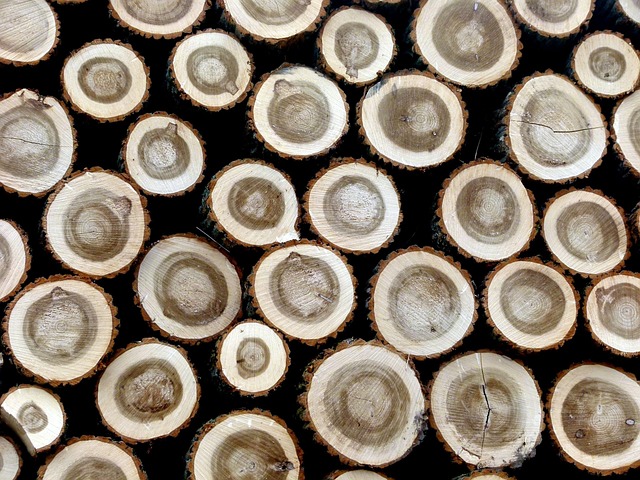
When considering hardwood flooring in Denver, budgeting is a crucial aspect to navigate. The cost per square foot can vary significantly based on several factors. For instance, high-end, exotic wood species like walnut or mahogany will be more expensive than domestic options such as oak or maple. In Denver, where the real estate market is vibrant and competitive, understanding these fluctuations is essential for any homeowner looking to install hardwood flooring. According to recent surveys, the average cost per square foot for top-quality hardwood can range from $7 to $12, while more budget-friendly options might start at around $4 per square foot.
To make informed decisions, homeowners should also factor in additional costs beyond the material itself. Installation expenses, which can vary based on complexity and contractor rates, typically add 10-20% to the total price. Furthermore, considering long-term sustainability, regular Denver hardwood floor maintenance tips can extend the lifespan of your flooring. Regular cleaning, sealing, and refinishing contribute to a robust, attractive surface that could outlast cheaper alternatives like vinyl flooring installation in Denver. While vinyl offers affordability and ease of maintenance, hardwood’s natural beauty and durability make it a worthwhile investment for many Denver residents.
Beyond material and installation, area rugs in Denver can serve as a cost-effective way to infuse rooms with diverse textures and styles without breaking the bank. Strategically placed rugs can highlight hardwood floors, adding warmth and comfort while protecting specific areas from wear and tear. By thoughtfully combining these options, homeowners can create both visually appealing and budget-conscious spaces. For instance, using a high-quality area rug in a high-traffic area may extend the life of your hardwood flooring, ensuring it remains a central point of beauty and value in your Denver home for years to come.
Understanding the cost of hardwood flooring in Denver involves a multifaceted approach. The article has outlined key factors influencing the price per square foot, including material types, installation methods, and local market trends. In terms of materials, species variations offer diverse options for Denver residents, with exotic woods potentially increasing costs. Installation techniques also play a significant role; specialized methods or complex layouts can elevate expenses. By staying informed about these influences, homeowners can make more cost-effective choices. For instance, opting for budget-friendly species and straightforward installation can substantially impact the bottom line. Ultimately, navigating the hardwood flooring market in Denver requires knowledge of these nuances to ensure both quality and affordability.